GLP-1s Did Not Change Nutrition. They Changed the Margin for Error.
GLP-1 medications like Ozempic, Zepbound and Mounjaro have reshaped how millions of people eat. Appetite drops. Portions shrink. Meals are skipped. Food tolerance changes. What used to be flexible suddenly becomes precise.
When you eat less, every bite matters more.
That is the central tension of GLP-1 nutrition. Calorie reduction may be the goal, but nutrient reduction is not. Protein, in particular, becomes non-negotiable. It supports satiety, preserves lean muscle, stabilizes energy, and helps protect metabolic health during weight loss.¹
This is not a new insight. What is new is how little margin for error remains.
Why Protein Density Matters More on GLP-1s
GLP-1 medications slow gastric emptying and suppress hunger signals. Many users report eating one or two smaller meals per day. In that context, traditional protein advice breaks down.
Large portions are no longer realistic. Heavy, processed, or high-fat foods can feel intolerable. Snacks and filler calories crowd out nutrients without delivering much return.
What works is protein density. More usable protein per calorie. Clean digestion. Minimal ingredients.
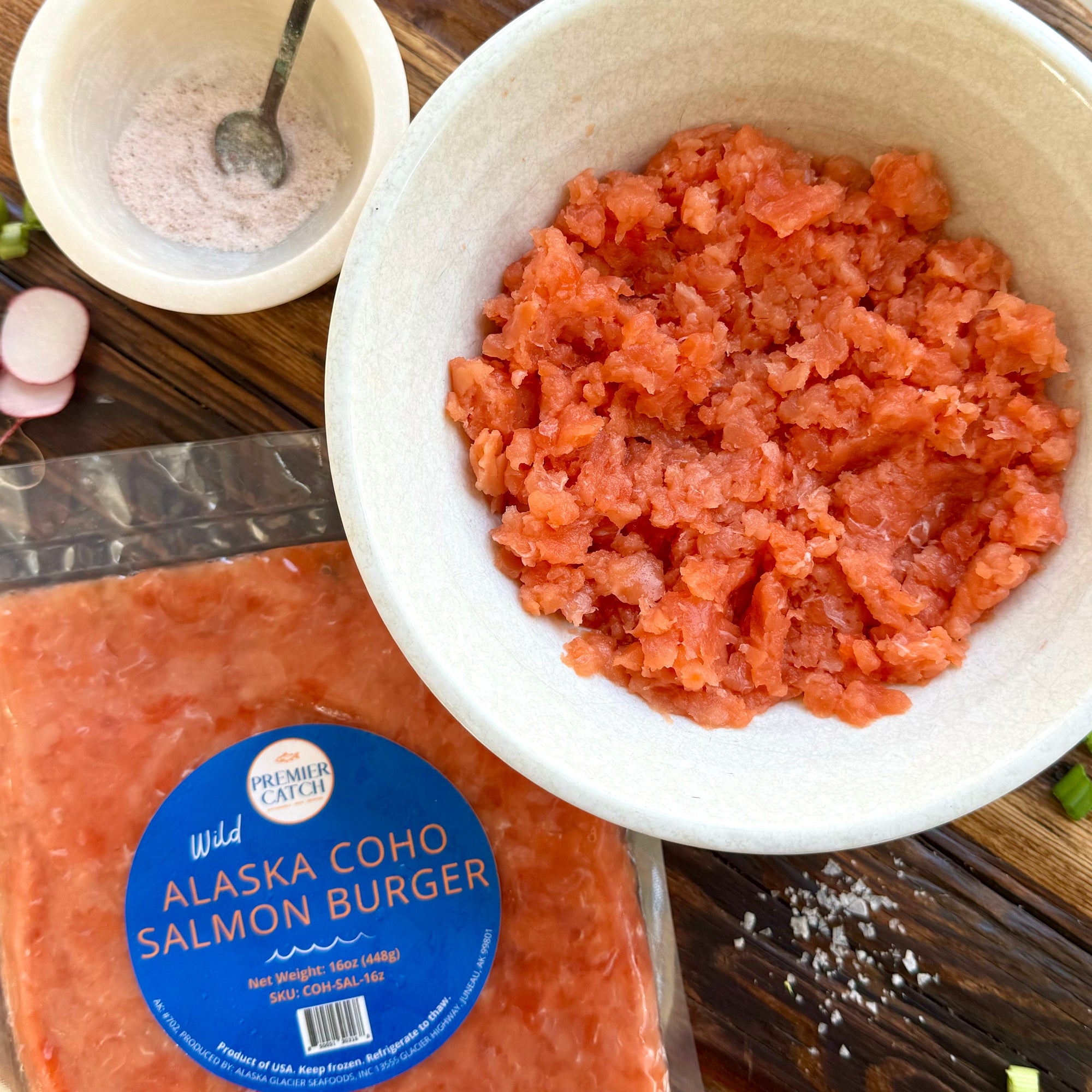
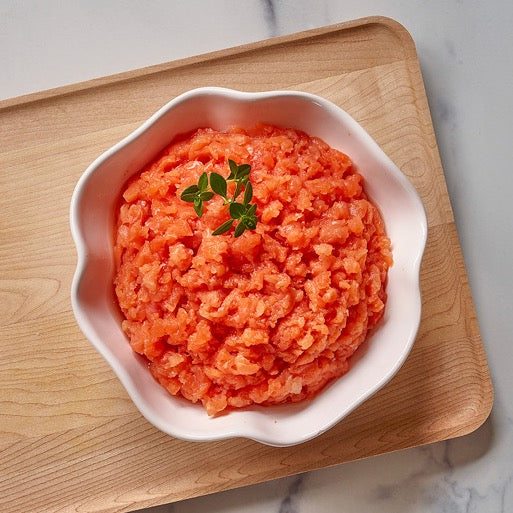
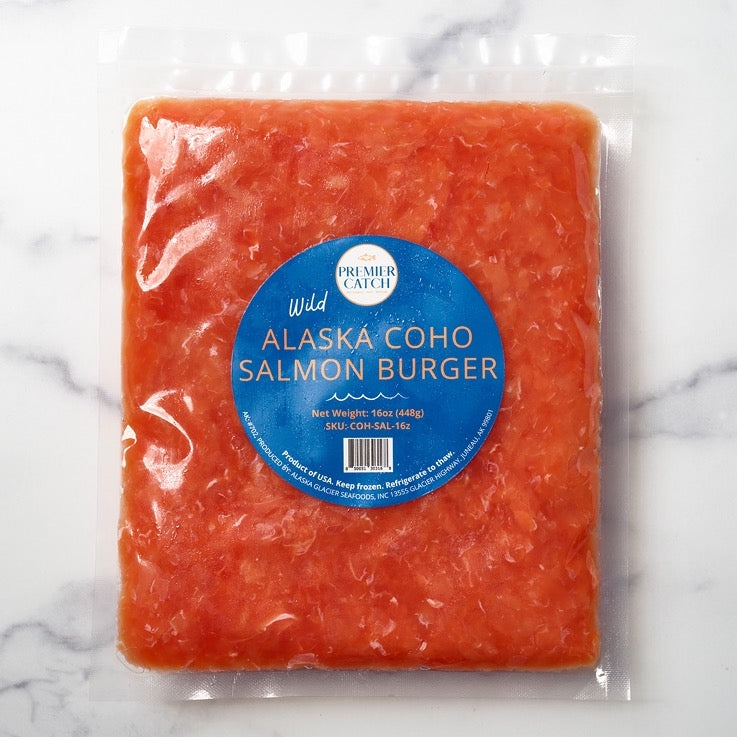
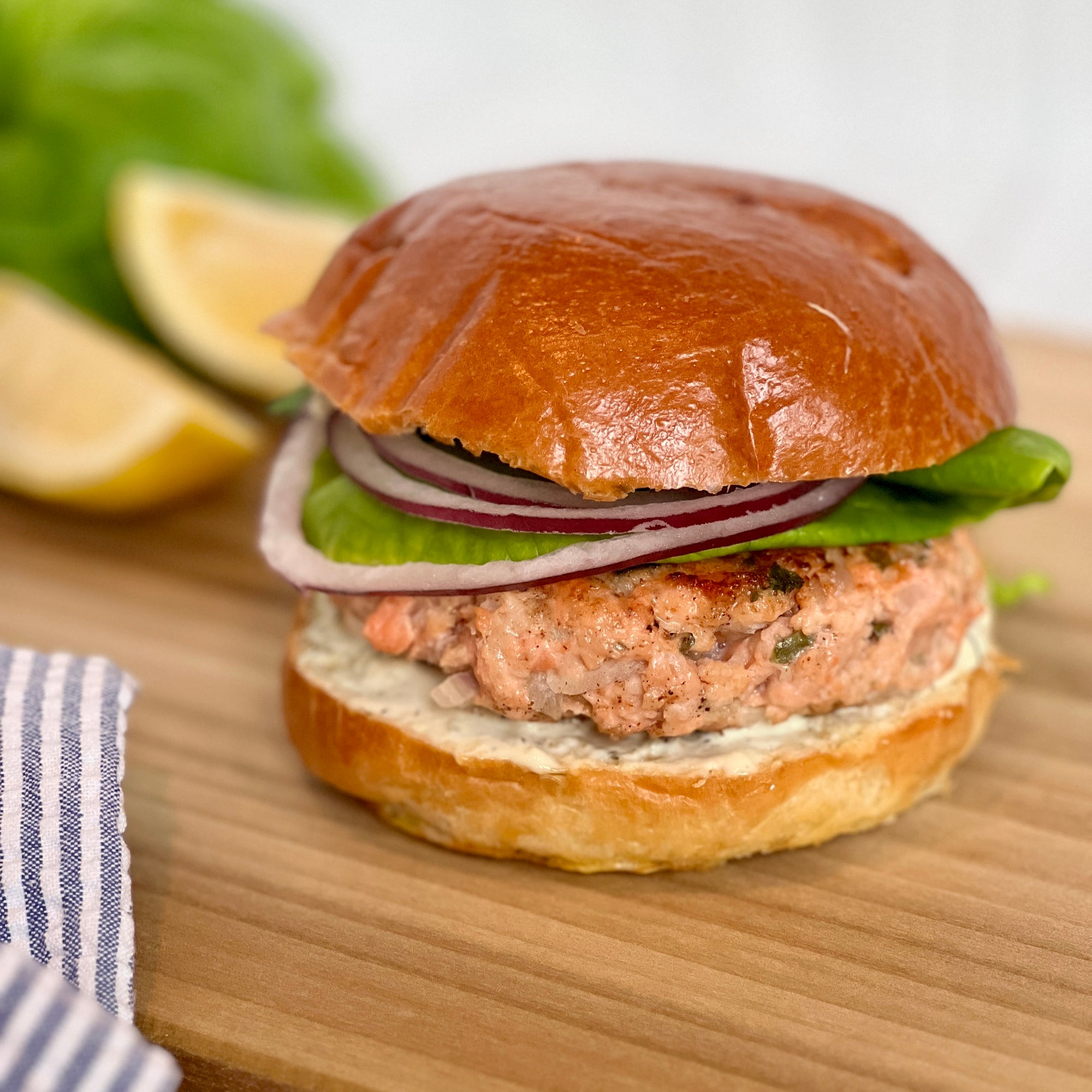
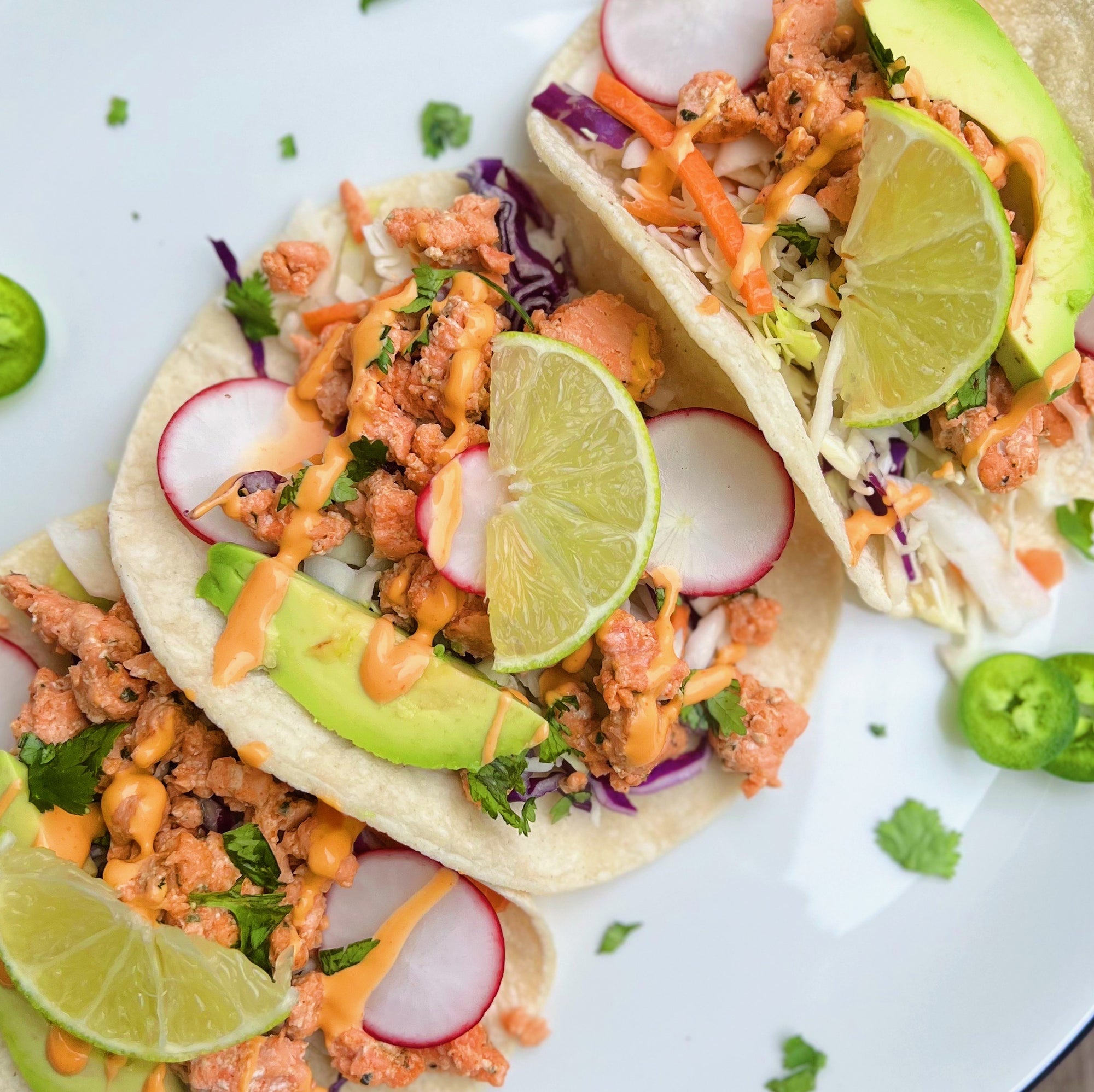
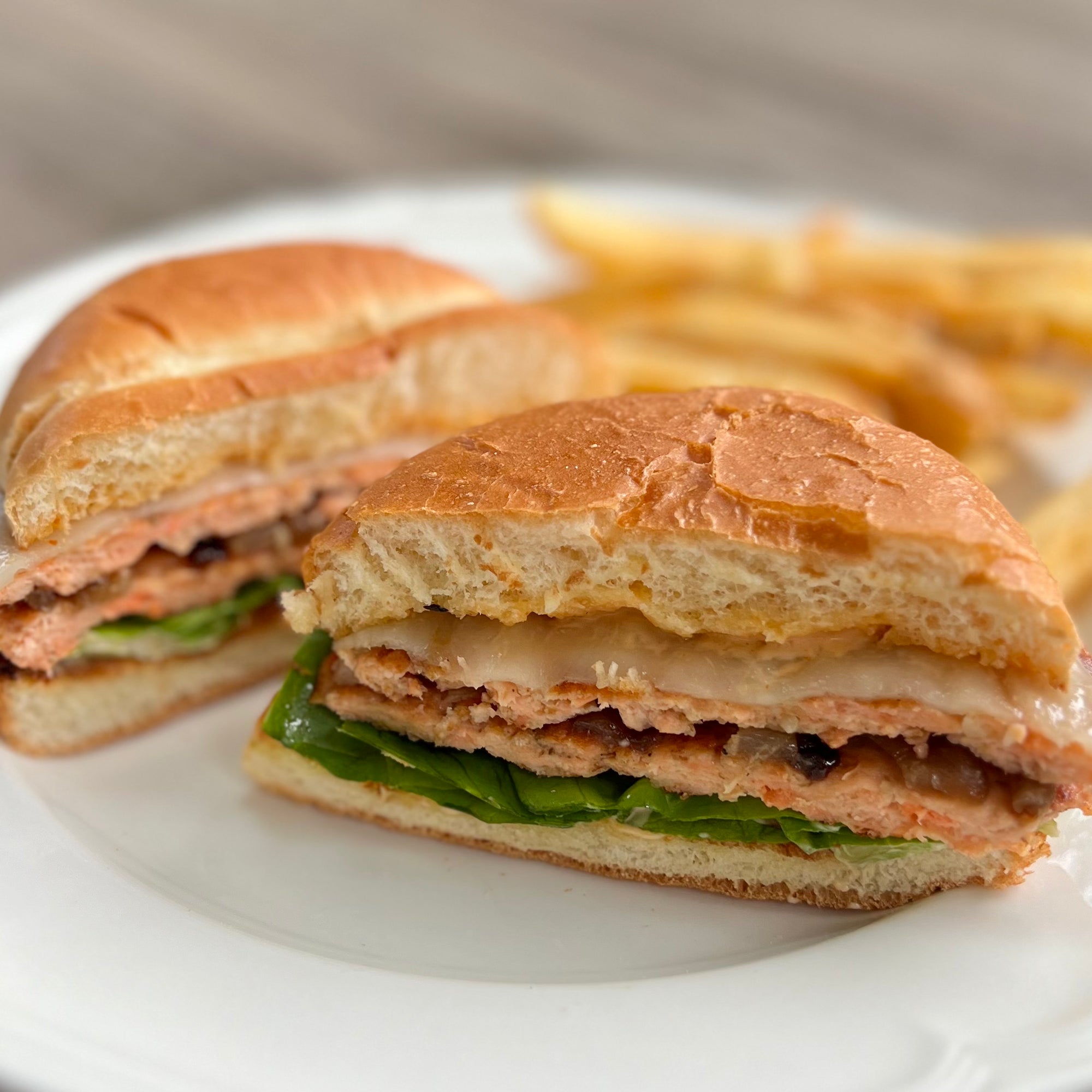
Seafood quietly outperforms most whole foods here. Halibut delivers over 35 grams of protein per serving with virtually zero carbohydrates and minimal fat. Salmon adds high-quality protein alongside omega-3 fats that support cardiovascular and metabolic health.² ³ When intake is limited, these foods deliver what the body actually needs without excess volume.
Seafood Has Always Been a Functional Food
Long before protein bars, powders, or engineered functional foods, seafood served this role naturally.
Athletes, clinicians, and nutrition-focused households relied on fish because it is efficient. High protein. Low calorie. Easy to portion. Easy to digest.
GLP-1s did not make seafood relevant. They made its advantages obvious.
Consumer data already shows GLP-1 users shifting away from sugar, snacks, and ultra-processed foods toward whole proteins and produce. Protein becomes the first priority, not an afterthought.⁴ Seafood fits this shift without requiring complicated behavior changes.
The Hidden Risk of Eating Less
One of the less discussed realities of GLP-1 use is under-nutrition. As total intake drops, so does exposure to essential nutrients like protein, vitamin B12, iron, and omega-3 fatty acids.⁵
This is why many clinicians now emphasize protein-first meals and nutrient-dense foods rather than calorie counting alone. The goal is not just weight loss. It is preserving muscle, energy, and long-term metabolic health.
Seafood addresses this risk quietly and effectively. It concentrates nutrition without asking more from appetite than the body is willing to give.
Why Premier Catch Exists Outside the Trend Cycle
The recent attention around cod and protein virality did not create our business. We were already here.
Premier Catch was built on wild-caught seafood from Alaska and the Pacific Northwest, frozen at sea and traceable to the boat. No additives. No processing. No rebranding of basic food into a marketing concept. Just fish harvested by American fishing families who have been doing this for generations.
When people eat less, trust matters more. You want to know where your food came from, how it was handled, and what is not in it.
Eating Less Should Not Mean Settling for Less
GLP-1s change appetite, not nutritional needs. Protein still matters. Micronutrients still matter. Food quality still matters.
Seafood remains one of the most efficient answers to that equation. High protein per calorie. Naturally clean. Easy to portion. Easy to trust.
Sources:
- ScienceDirect, Protein Intake and Lean Mass Preservation During Weight Loss
- USDA FoodData Central, Pacific Cod Nutrition Profile
- Harvard T.H. Chan School of Public Health, Fish and Omega-3 Fatty Acids
- Catalina Marketing, Consumer Behavior Shifts Among GLP-1 Users
- Health.com, Nutritional Deficiencies and GLP-1 Medications
Photo Credit: Alaska Seafood Marketing Institute