

EAT WILD, EAT WELL
GLP-1 Nutrition Built on Protein and Omega-3s
Why Premier Catch wild-caught seafood is a smart, nutrient-dense choice for eating well on GLP-1

Built for Smaller Appetites
When appetite drops, every bite matters. On GLP-1, protein density and digestibility become essential.
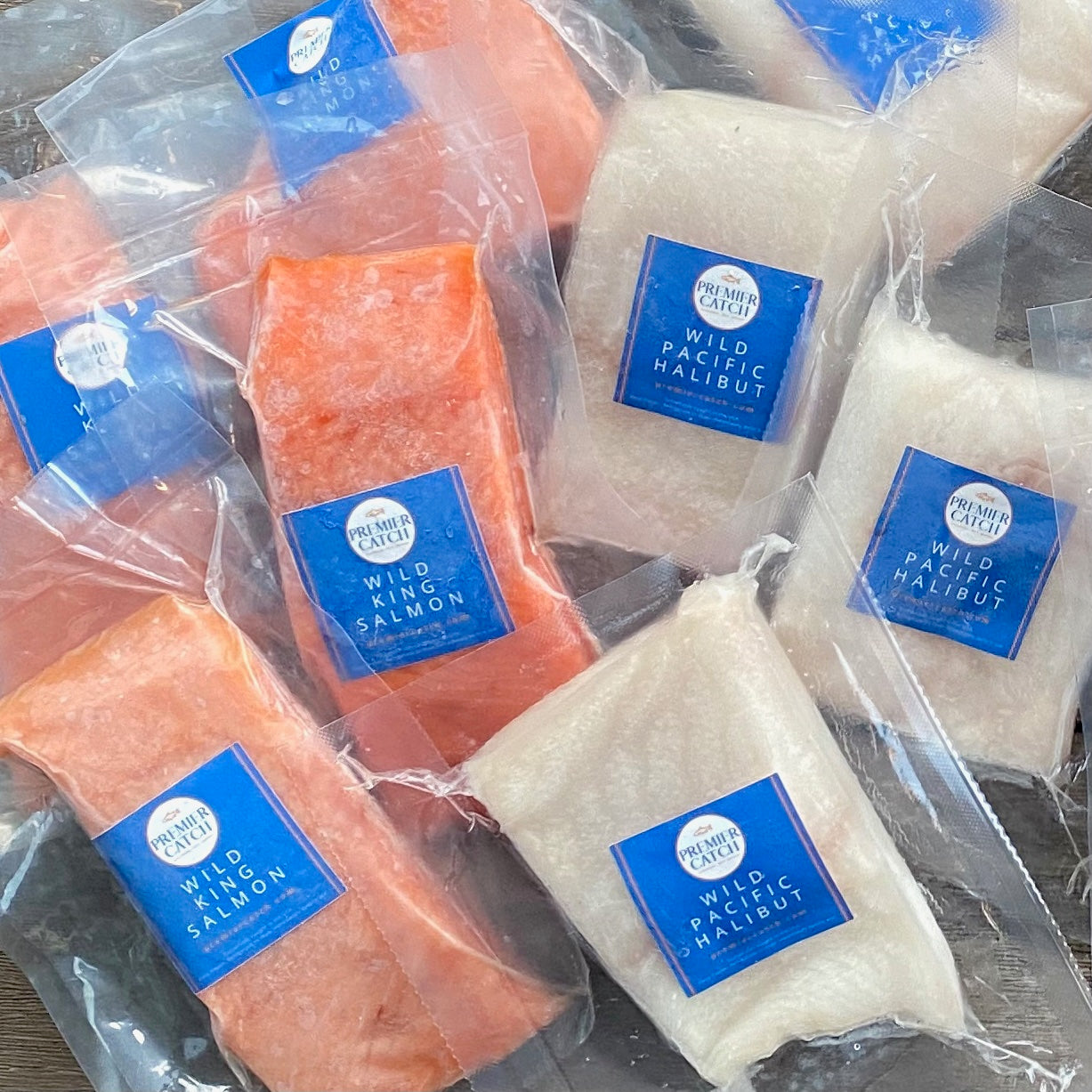
Premier Catch wild-caught seafood is portioned into 6 oz servings, delivering 30 to 40 grams of clean protein per portion, plus omega-3s, without fillers or additives. It is efficient, easy to tolerate, and built for smaller meals.
Learn more about how high-protein wild seafood supports nutrition goals for people using GLP-1 medications here.
The Three Pillars of Eating Well on GLP-1

Protein Density
When appetite is smaller, protein matters more. Our wild seafood packs a lot of high quality protein into a 6 ounce portion, usually 30 to 40 grams, so you get what your body needs without having to eat a lot.

Digestibility and Tolerance
GLP-1 can make heavier foods feel like too much. Wild fish and shellfish are naturally easy to digest and tend to feel lighter than many other proteins. They help you feel nourished, even with smaller meals.

Nutrient Density Without Fillers
When you are eating less, every bite should count. Wild seafood delivers omega-3s and key micronutrients without fillers or additives. Just clean, efficient nutrition that works with a smaller appetite.
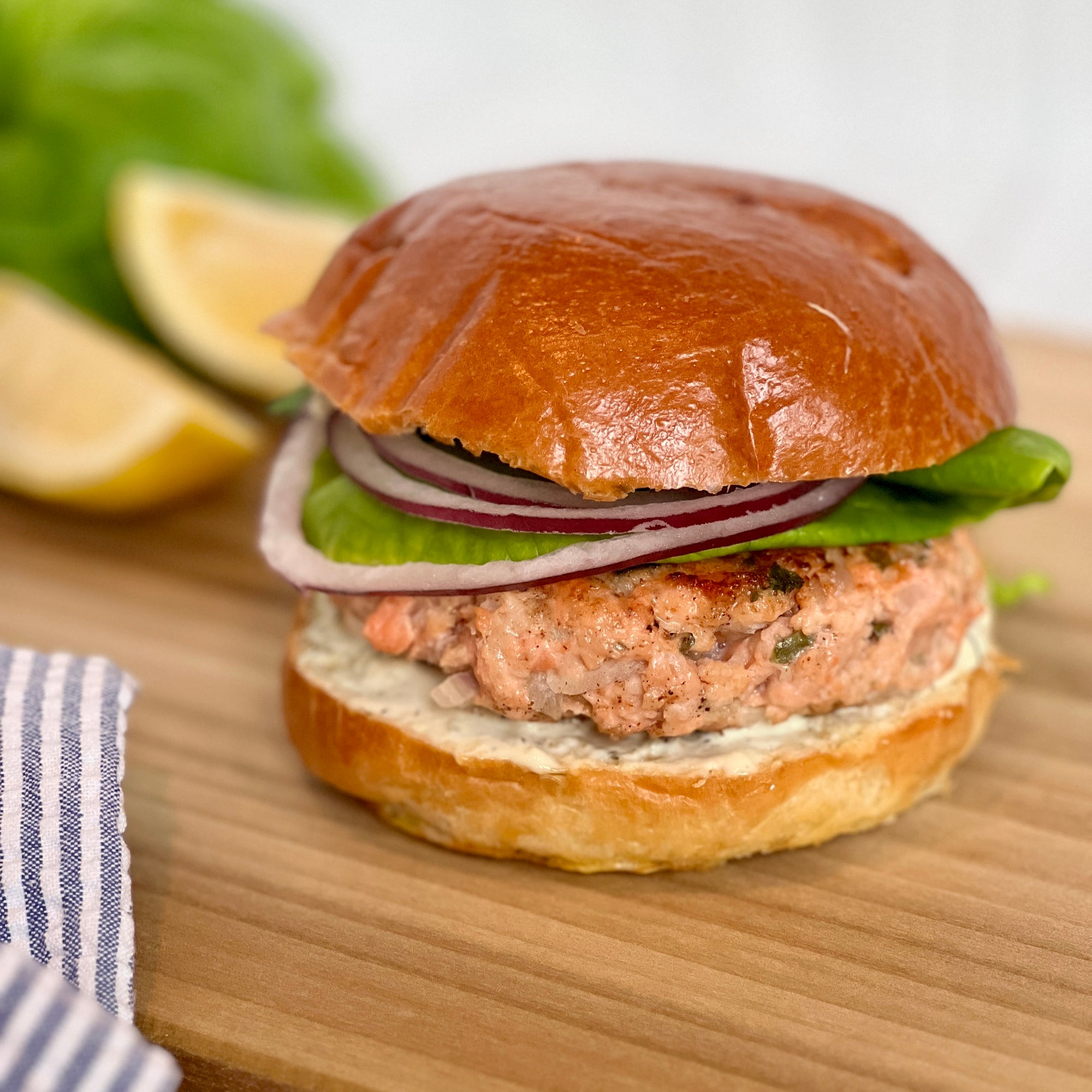
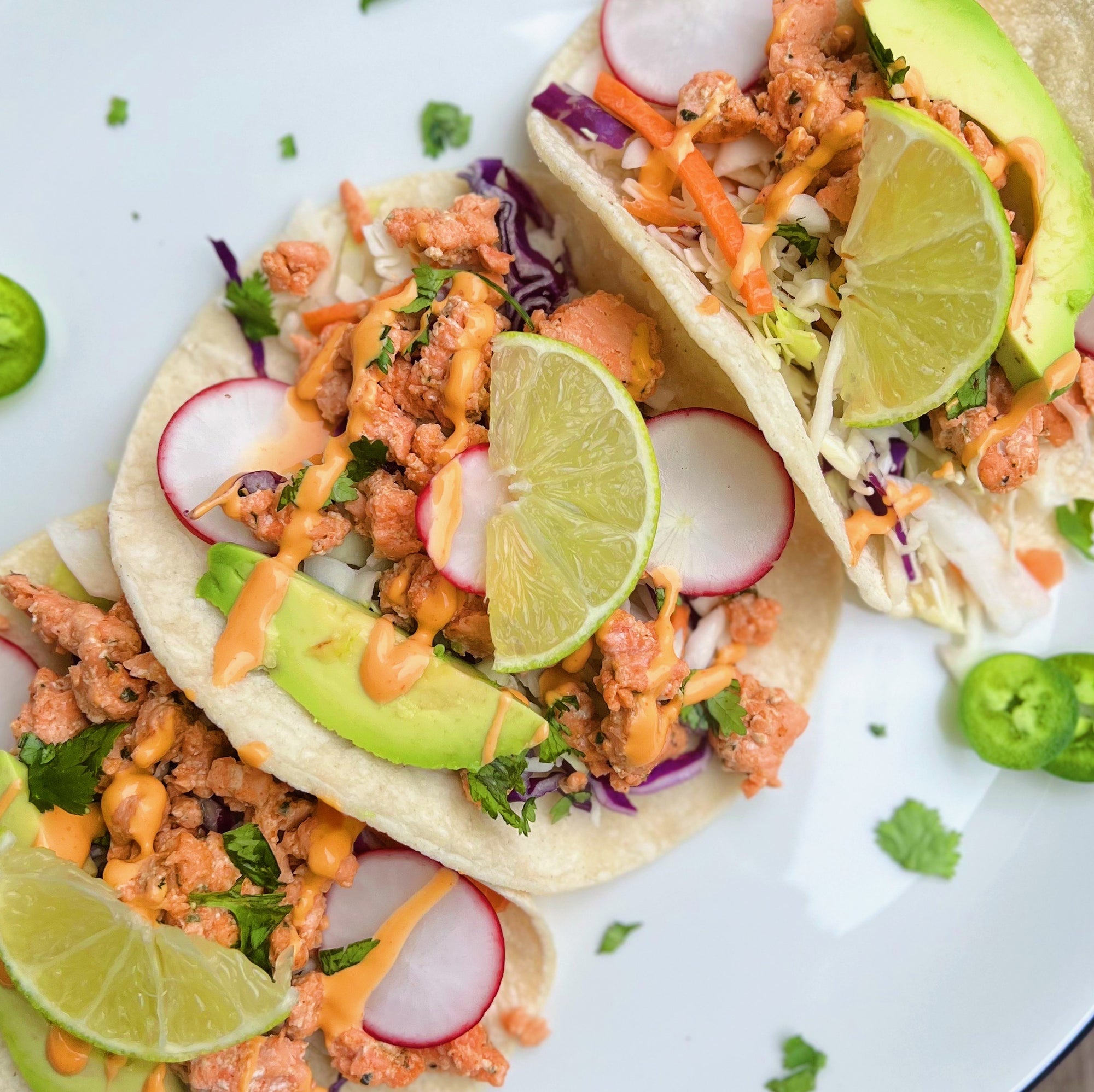
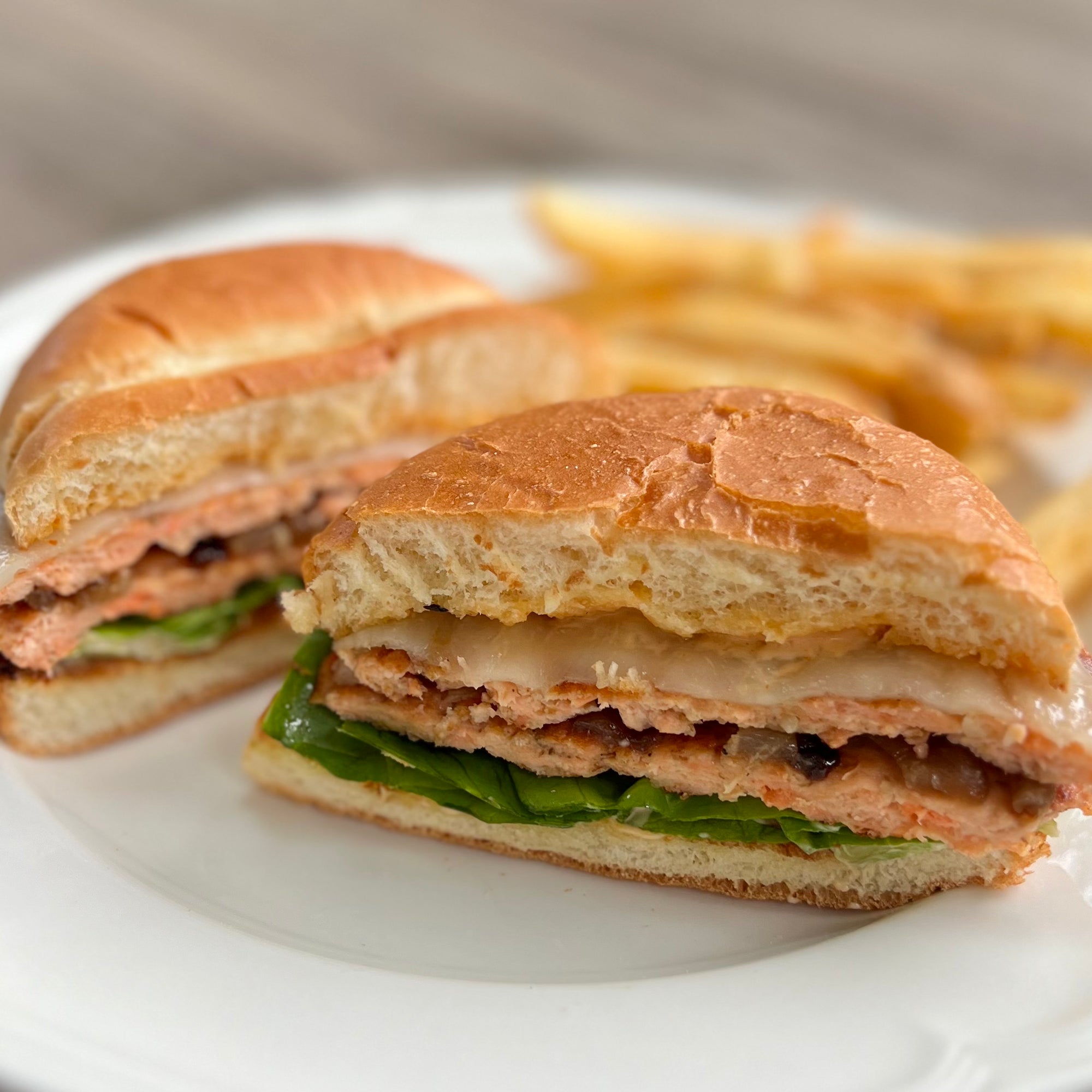
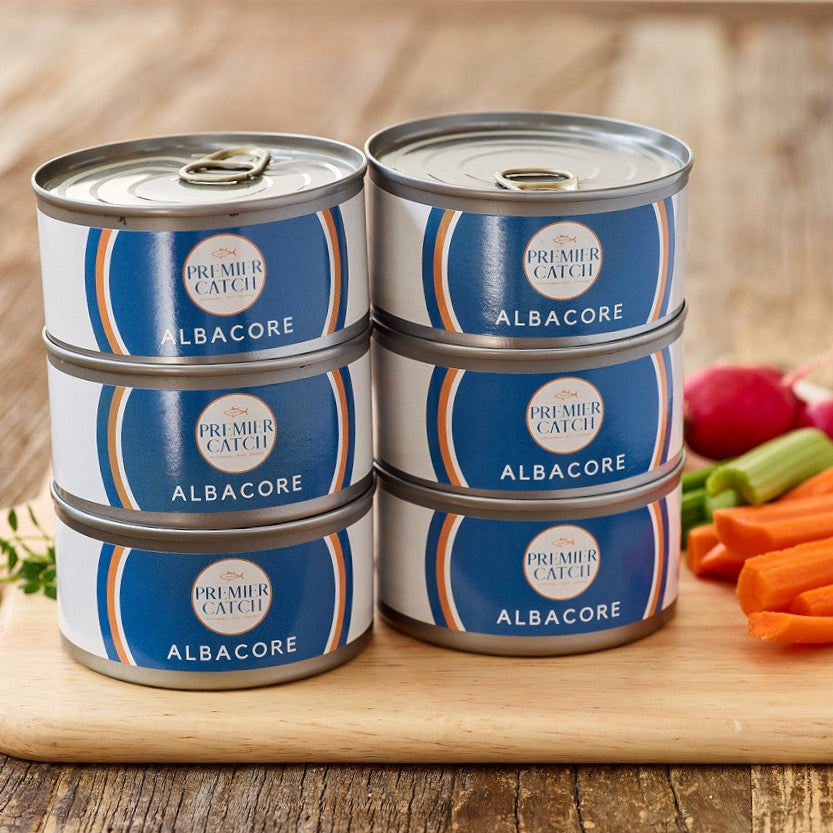
GLP-1 Focused Wild-Caught Seafood Bundles










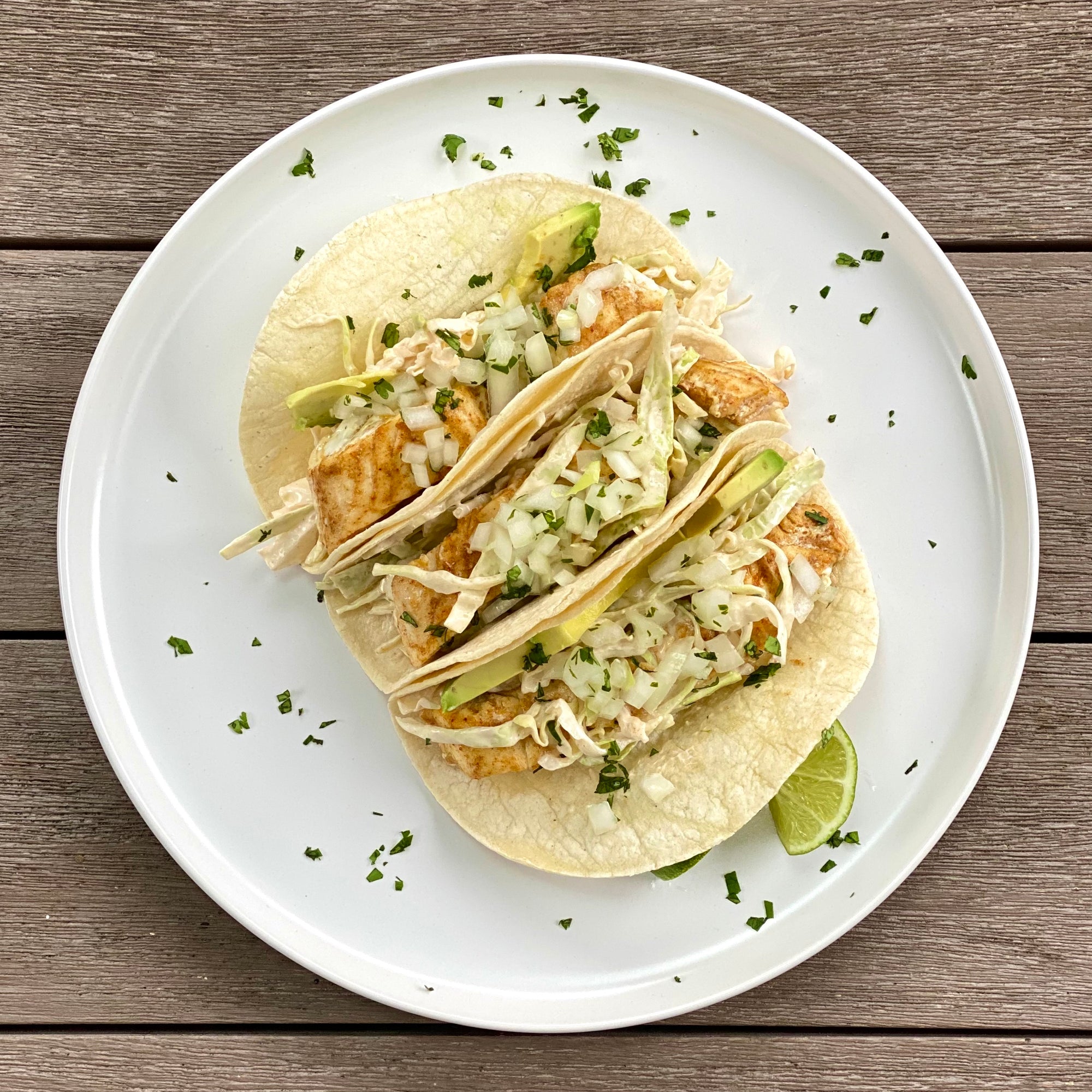
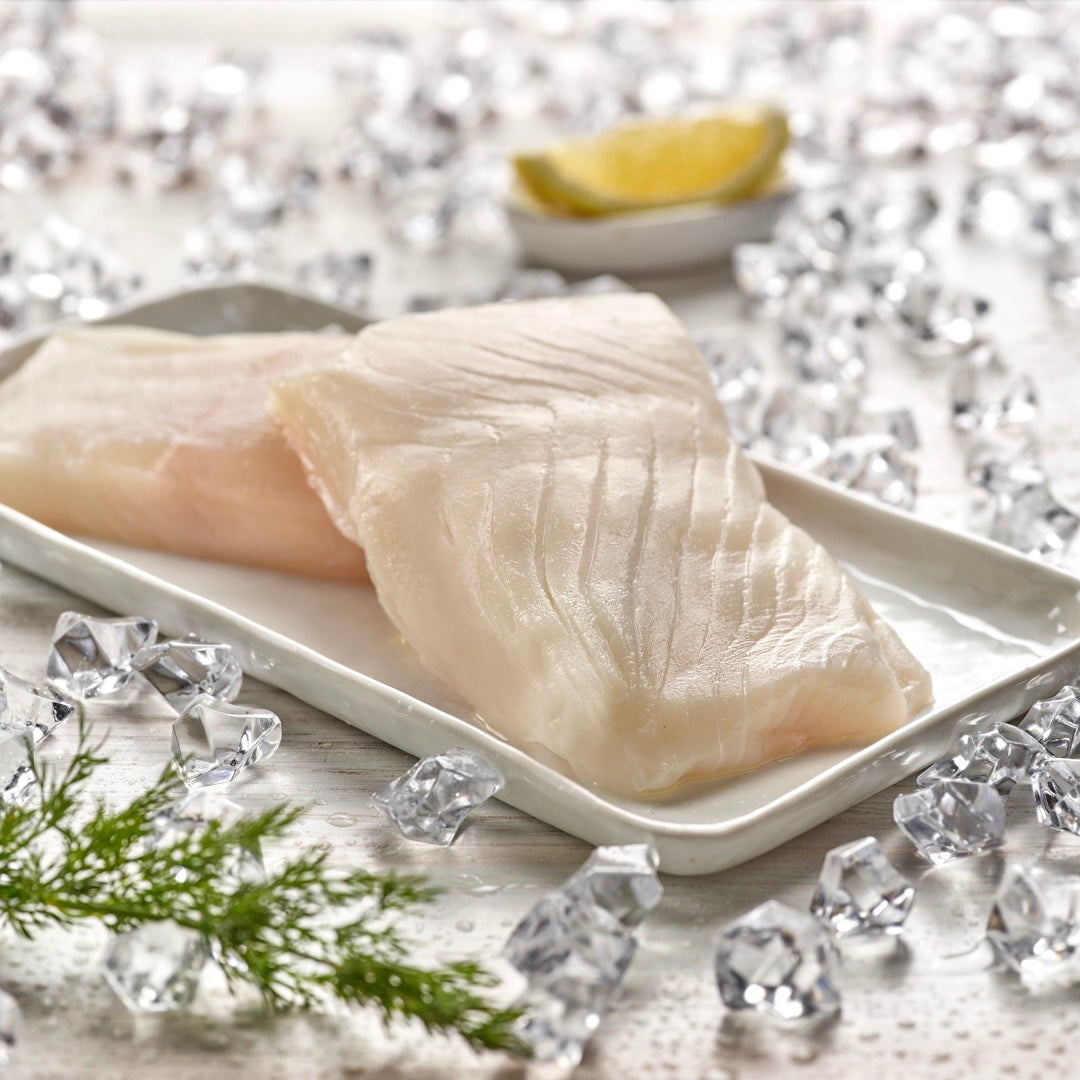
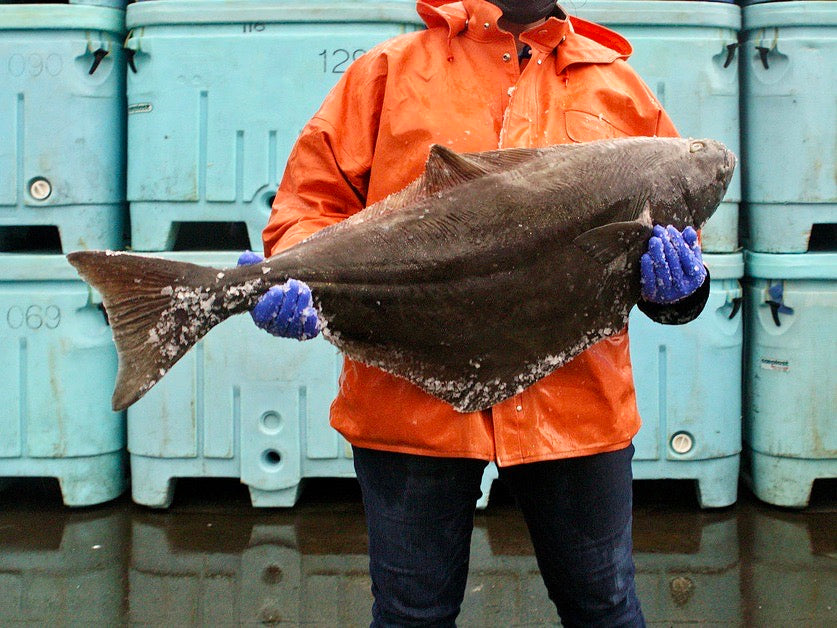
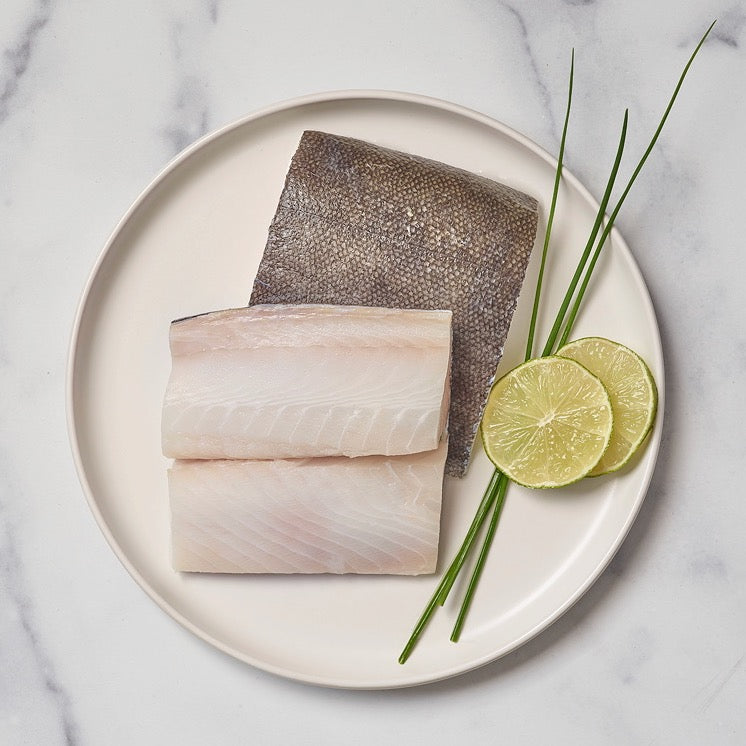




Wild-Caught in the USA
Never farmed, never imported, and never processed overseas

Best Price Guarantee
If you find the same product, delivered, at a lower price from a competitor, we’ll beat it.

Delivered to Your Door
High-quality seafood without going to the store
GLP-1 Nutrition and Seafood FAQs
Yes. Many people on GLP-1s eat smaller portions, which makes protein density more important. Seafood provides high-quality protein with fewer calories and minimal carbohydrates.
Reduced appetite can make it harder to meet daily protein needs. Adequate protein supports muscle maintenance, satiety, and overall metabolic health when eating less.
Lean, easy-to-portion fish like cod and halibut are popular for protein density, while salmon adds beneficial omega-3 fats in smaller servings.
Seafood is a whole food and does not interact with GLP-1 medications. Always follow guidance from your healthcare provider regarding diet choices.
Most servings provide approximately 28 - 38 grams of protein, depending on the species and portion size.
No. This collection focuses on nutrient-dense, high-quality protein choices for people who may be eating less overall. It is not intended as medical or weight-loss advice.
- A clear protein anchor, ideally 25 to 40 grams per meal, depending on appetite and guidance from a healthcare provider
- High protein density, meaning more protein per calorie so nutrition fits smaller portions
- Simple, whole ingredients that are easy to digest and tolerate
- Minimal added sugars and refined carbohydrates that crowd out protein
- Balanced fat, either very lean options for light meals or moderate healthy fats for satiety and satisfaction
- Most people on GLP-1s do well eating seafood two to three times per week.
- Seafood provides high quality protein and essential nutrients in smaller portions, which is helpful when appetite is reduced.
- Lean fish can be eaten more often for protein, while fatty fish are typically included one to two times per week for omega-3s.
- Variety matters, rotating different types of wild-caught seafood can help support protein needs and tolerance.
Meet Our Founders
Women-Owned and Operated
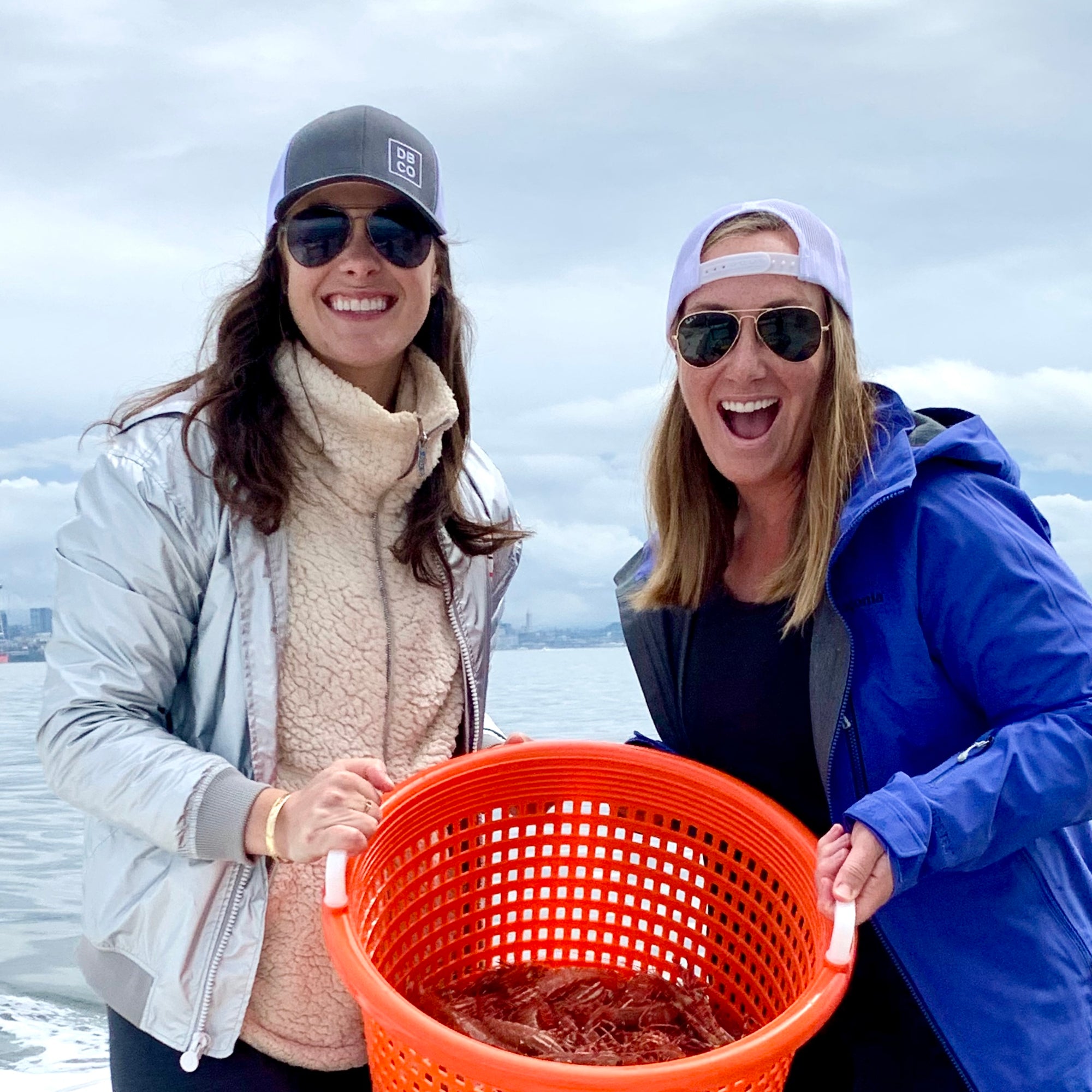
Sisters-in-law Joci and Ashley Besecker founded Premier Catch to share their family’s fishing legacy and make wild, nutrient-dense seafood easier to trust and enjoy. Ashley is a registered dietitian nutritionist with advanced training from Pepperdine, Vanderbilt, and Stanford, bringing a science-driven focus on protein quality and omega-3s, especially important when eating smaller portions. Together, they combine generational fishing knowledge with modern nutrition science to deliver clean, wild-caught seafood that works harder per bite.
5-Star Seafood (Seriously)

⭐️ ⭐️ ⭐️ ⭐️ ⭐️
Everything from Premier Catch is amazing! Gulf shrimp is ready to prepare without peeling off the shells for convenience. You can’t go wrong with Premier Catch!
– Nancy M., Verified Buyer

⭐️ ⭐️ ⭐️ ⭐️ ⭐️
The king salmon and the halibut are my favorites and are delicious. They arrive well frozen, ready for my freezer, even though I am far away from Washington state.
– Dorothy N., Verified Buyer

⭐️ ⭐️ ⭐️ ⭐️ ⭐️
This King Crab was fresh and so sweet. I will continue to purchase from Premier Catch. I can count on a quality meal.
– LaVonne L., Verified Buyer